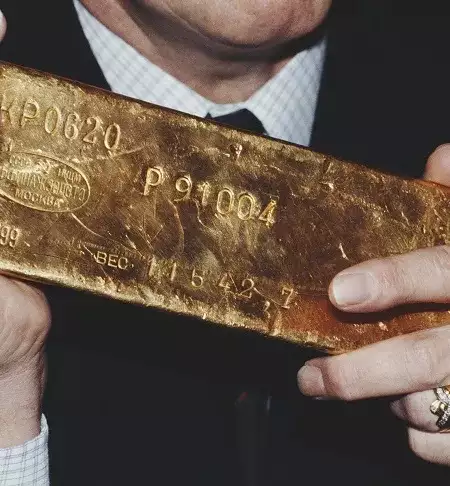
Silver was trading at $72.36 an ounce on the Shanghai Futures Exchange (#SHFE) on Thursday evening, roughly $8.66 above COMEX silver in New York, a premium of more than 13.5%. The price of silver in Shanghai continues to slowly widen and pull away from the Western LBMA and COMEX benchmarks, and months of market turmoil have failed to close the gap.
A premium that refuses to fade
Thursday’s reading fits a pattern that has been building for most of the past year. China has two main markets for silver: the Shanghai Futures Exchange, where silver futures trade, and the Shanghai Gold Exchange (SGE), China’s primary physical spot market. Both have been pricing the metal well above the West.
On the SGE, the benchmark hit $75.09/oz on 18 September 2026 against a US spot price of $66.50/oz, a premium of 12.91%. The latest data from tracker MetalCharts shows the September 22 close of +12.8% was higher than 88.2 percent of all daily closes in its series since January 2024. Discovery AlertMetalcharts
By historical standards, that is extraordinary. The spread first pushed into double digits late last year, with daily closes above 10 percent in late December 2025, then reaching +21.9% on January 30, 2026 while Western silver traded above $100/oz. The all-time extreme came during the crash that followed: the widest daily close was +34.3% on February 2, 2026, when Western spot closed 22.8 percent below its prior close while the SGE benchmark fell only 15.0 percent. MetalchartsMetalcharts
Survived a boom and a bust
What makes the premium so striking is what it has lived through. Silver has just been through one of the wildest rides in its history, surging past $50, roughly doubling to a nominal all-time high near $121.67 on 29 January 2026, then nearly halving back to the $64–$66 range by late August and early September. Discovery Alert
Conventional wisdom held that the Shanghai gap would shrink as prices fell and speculative heat left the market. Instead, it has stubbornly held at well over $8 an ounce.
Physical metal versus paper contracts
The premium is widely read as a signal about physical demand. The SGE is designed for physical settlement, where traders take actual delivery of silver bars, whereas COMEX mainly trades futures contracts where less than 1% result in physical delivery. That’s why many in the bullion industry see Shanghai as a truer reflection of what physical silver actually costs, and COMEX as the “paper” price. MetalchartsMetalcharts
China’s appetite matters because it is the world’s largest industrial consumer of silver, used in solar panels, electronics and electric vehicles. There are also signs of pressure on Western stockpiles. One market analysis reports that COMEX silver inventories dropped from roughly 532 million ounces in October 2025 to 330.08 million ounces by 18 September 2026, a decline of nearly 38%, driven by entities taking physical delivery rather than rolling paper contracts. Discovery Alert
New Asian trading infrastructure is adding to the pull east. Dubai launched the GCC region’s first regulated Gold Spot T+0 Contract on 22 June 2026, and Hong Kong’s central gold clearing system went live on 7 July 2026, giving buyers more physically settled alternatives to Western exchanges. Discovery Alert
Why traders can’t simply close the gap
In a normal market, a price gap this wide would be quickly erased: traders would buy cheaper silver in the West, ship it to China and sell it at the higher price. So why hasn’t that happened?
Part of the answer lies in Chinese policy. China charges a 13% VAT on silver, a rate that was 17% until April 2019, when broad VAT reform reduced it. Although VAT isn’t included in the quoted premium, it adds cost and friction for anyone trying to profit by moving metal into China. MetalMetric
China has also tightened its grip on silver leaving the country. Effective January 1, 2026, China’s Ministry of Commerce replaced its quota-based silver export mechanism with a state-trading authorisation framework, under which only companies on an officially published list may export silver. Beijing has not announced a blanket ban, but the state-run Securities Times cited an industry insider who said the policy formally elevates silver from an ordinary commodity to a strategic material, on the same regulatory footing as rare earths. Discovery AlertCNBC
Not everyone thinks the rules matter much, though. The approved list contains 44 companies, up from 42 the year before, and Metals Focus’s Shanghai team noted that the government was already regulating and licensing silver exports, and the new rules were essentially tweaks to an existing framework. fxstreet
Pressure from India, too
Policy moves elsewhere in Asia are also reshaping silver flows. India raised the import duty on gold and silver to 15% effective May 13, 2026, up from 6%, combining a 10% basic customs duty with a 5% agriculture cess. Days later, silver bars of 99% or higher purity were moved to the restricted import category, meaning commercial importers now need a licence. VisaVergeIIFL Finance
The impact was immediate. Silver imports crashed in the wake of the tax hike, collapsing to just 47 tonnes in May, with Metals Focus explaining the move was intended to stabilise the rupee as oil prices spiked and India’s current account deficit widened. SilverseekSilverseek
The bigger picture: six years of deficit
Underneath the price swings sits a long-running supply shortfall. According to the Silver Institute’s World Silver Survey 2026, the silver market ran an annual deficit of 40.3 million ounces in 2025, the fifth consecutive year that demand exceeded supply, with a sixth straight deficit of 46.3 million ounces forecast for 2026 and mine production expected to stay roughly flat. The report puts the cumulative drawdown from above-ground stocks at 762.1 million ounces since 2021. MiningvisualsMiningvisuals
Part of the reason supply can’t respond quickly is that 74% of silver arrives as a by-product of mining other metals: lead, zinc, copper and gold. Higher silver prices alone don’t prompt miners to dig up much more of it. GoldSilver
The demand picture is more mixed than the headlines suggest. Industrial consumption fell 3 percent last year to 657.4 million ounces, largely because solar manufacturers are using less silver per panel, and sustained high prices are forcing solar makers and jewellery fabricators to actively cut silver from their supply chains. Investors have filled much of the gap, with coin and bar demand expected to jump by 18% this year. Silver Institute: Sustained Supply Deficit Exposes Market to Squeezes | INN +2
What it means
The message from Shanghai is clear: physical silver in China costs markedly more than the price quoted in New York and London, and that has now been true for the better part of a year. Whether the gap reflects a genuine global shortage, the side effects of Chinese and Indian trade policy, or a combination of both, the Shanghai premium has become one of the most closely watched indicators in the silver market. At above 13.5% and still creeping higher, it’s a signal that silver buyers and investors can’t afford to ignore.
Disclaimer: This article is for information only and is not financial advice.