Gold is facing renewed headwinds from higher interest rates, a stronger US dollar and rising oil prices. Yet beneath the short term volatility, demand for physical gold continues to provide an important source of support.
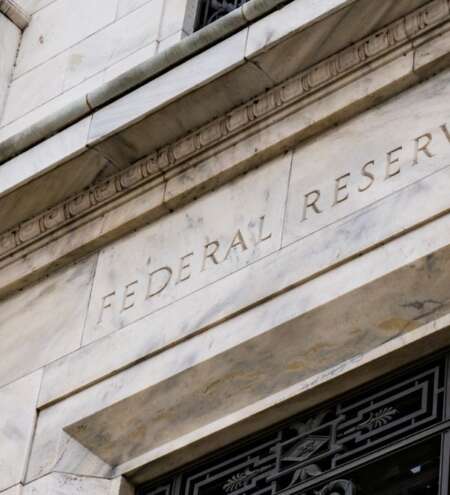
Gold markets remain caught between competing forces. Inflation concerns and geopolitical uncertainty are keeping investors alert, while rising bond yields and a firmer US dollar are creating pressure on prices. With markets awaiting fresh US inflation data for clues about the Federal Reserve’s next move, the direction of interest rates remains central to gold’s near term outlook.
For physical bullion holders, however, the bigger question extends beyond the latest daily price movement: what are these market pressures telling us about the broader economic environment?
Gold Tests a Critical Technical Zone
Gold futures have been trading around US$4,200 per ounce, with the market struggling to maintain upward momentum after a recent recovery.
The US$4,000 to US$4,200 region has attracted buying interest in previous sessions and is being closely watched as an important technical area. A sustained hold above this zone could help stabilise prices, while a decisive break lower may expose the market to further selling pressure.
Technical indicators also suggest that gold is facing resistance above current levels, with key moving averages sitting around US$4,310 to US$4,330.
These levels provide a useful snapshot of market sentiment, but technical support is never guaranteed. Prices can move sharply when economic data, interest rate expectations or geopolitical developments change.
The recent pullback highlights a familiar feature of precious metals markets: even during periods of strong long term demand, short term corrections can be significant.
Interest Rates Remain a Major Influence
Gold does not pay interest or dividends. Consequently, when interest rates and government bond yields rise, interest bearing assets can become more attractive relative to bullion.
This relationship is not automatic, but it remains an important influence on market sentiment.
Higher US Treasury yields can increase the opportunity cost of holding gold, while a stronger US dollar can make the metal more expensive for buyers using other currencies.
Conversely, falling yields and expectations of easier monetary policy have often supported gold prices.
The difficulty for markets is determining whether current interest rate pressures represent a temporary obstacle or a more persistent challenge.
Investors are watching US inflation figures closely for clues about the Federal Reserve’s policy direction. Evidence of persistent inflation could keep rates elevated for longer, while signs of easing price pressures could strengthen expectations of monetary relief.
Neither outcome is certain, and gold may respond differently depending on how the data affects real interest rates, currency markets and investor confidence.
Oil Prices Add Another Layer of Uncertainty
Energy markets have become another important factor in the gold equation.
Higher oil and fuel prices can feed into transport, manufacturing and household costs, potentially complicating the fight against inflation. If energy prices remain elevated, central banks may have less room to reduce interest rates.
That creates a difficult combination for gold: inflation concerns can increase interest in precious metals as a potential store of value, yet the monetary response to inflation can place downward pressure on prices.
Developments surrounding Russian diesel supplies have also drawn attention to the global energy outlook. Reports of potential additional supplies have raised hopes of easing fuel shortages, although the ultimate effect will depend on the quantities delivered, market conditions and the wider geopolitical situation.
For precious metals, the key issue is not simply whether oil prices rise or fall. It is how energy costs influence inflation expectations, monetary policy and confidence in financial markets.
Physical Gold Demand Remains Important
Despite recent price weakness, the broader gold market continues to attract attention from investors concerned about government debt, currency purchasing power and financial uncertainty.
It is important to distinguish between short term price movements in futures markets and the ownership of physical bullion.
Futures contracts allow market participants to gain exposure to gold prices without necessarily taking delivery of physical metal. Their prices can react rapidly to changes in interest rates, currency movements and leveraged trading positions.
Physical bullion serves a different purpose for those who choose to own it. It represents direct ownership of a tangible asset rather than a contractual claim linked to a financial product.
This distinction does not make physical gold immune to price declines. Its market value can fall, and buying, selling, storage and insurance all involve costs. However, ownership structure matters to people who value holding metal outside the conventional financial system.
Periods of market volatility can therefore create two very different experiences: one for traders focused on the next price movement, and another for physical bullion owners focused on long term wealth preservation.
What About Silver?
Silver is also navigating competing economic forces, although its market has additional influences because of its industrial applications.
Like gold, silver can face pressure from rising interest rates and a stronger US dollar. At the same time, industrial demand, supply constraints and expectations for economic activity can influence its performance.
Recent price movements have demonstrated that silver can experience greater percentage swings than gold in either direction.
For physical silver owners, short term volatility should be considered alongside the metal’s distinct supply and demand dynamics. Gold and silver are related precious metals, but they do not always move together or respond identically to economic developments.
The Bigger Picture: Price Volatility Versus Purchasing Power
Gold’s immediate direction remains uncertain. Higher interest rates, oil market developments and a stronger US dollar may continue to create headwinds, while demand and concerns about the broader economic outlook could provide support.
The important point is that a falling gold price does not, by itself, resolve the underlying questions surrounding government debt, currency purchasing power or the long term sustainability of public finances.
Those issues continue to influence how individuals and institutions think about wealth preservation.
For Australian bullion owners, movements in the Australian dollar also matter. The local gold price reflects both the international US dollar gold price and the exchange rate. As a result, Australian dollar gold prices may move differently from the US dollar price.
This is one reason why international headlines alone do not tell the complete story for Australian buyers and sellers.
The FirstGold Perspective
At FirstGold, the focus is on physical bullion ownership rather than trying to predict every short term market movement.
Gold can experience corrections, periods of consolidation and sharp rallies. No asset rises indefinitely, and no forecast can eliminate uncertainty.
For those interested in physical bullion, the broader considerations include ownership, affordability, costs, storage arrangements and the role tangible assets may play within their personal financial circumstances.
The daily gold price tells you what the market is doing today. Understanding why you own physical bullion requires looking beyond today’s price.
Explore physical gold and silver through FirstGold and learn more about the practicalities of owning physical precious metals.
Disclaimer: This article is general market commentary and educational information only. It does not constitute financial advice or a recommendation to buy or sell gold, silver or any other asset. Precious metals prices fluctuate, and investors should consider their individual circumstances and seek independent professional advice where appropriate.