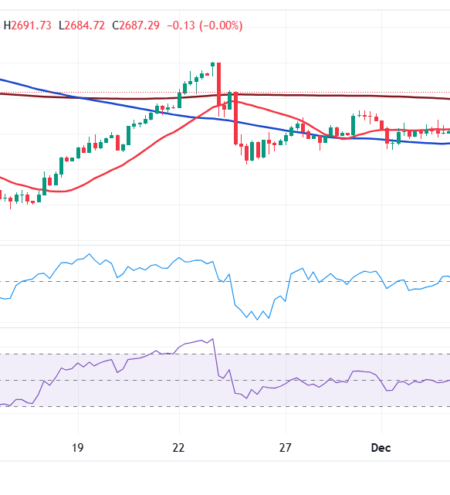
Gold has surged to its highest level in more than three months, as escalating geopolitical tensions in the Middle East, uncertainty surrounding US economic policy and renewed concerns over inflation continue to strengthen demand for the precious metal.
Often regarded as a traditional safe-haven asset, gold tends to attract increased investor interest when financial markets face heightened uncertainty.
During August, gold has risen by around 15%, reaching approximately US$4,651 per ounce during Asian trading on Tuesday before easing slightly. The move places gold on track for one of its strongest monthly performances in decades.
Geopolitical uncertainty continues to support gold
The latest rally comes against a backdrop of continuing conflict involving Iran and uncertainty surrounding the possibility of a lasting ceasefire and the reopening of the Strait of Hormuz.
The Strait is one of the world’s most important energy corridors, and any prolonged disruption could have significant consequences for global oil prices, inflation and economic growth.
While hopes for a rapid resolution initially encouraged some investors to reduce their exposure to safe-haven assets, those expectations have faded. Gold has subsequently continued to climb as markets reassess the risks facing the global economy.
For investors, the combination of geopolitical instability, inflation concerns and uncertainty surrounding government policy is creating a powerful environment for gold.
US inflation and Federal Reserve policy in focus
Attention is now turning towards upcoming US inflation figures and closely watched comments from the Federal Reserve, with investors particularly focused on the direction of interest rates.
Bond markets have also become increasingly unsettled as traders assess the potential impact of President Donald Trump’s tax, spending and tariff policies on US government finances and inflation.
Higher inflation and concerns about government debt can increase the appeal of physical gold as a long-term store of value.
Tony Sycamore, a market analyst at IG, said gold could remain well supported on any significant pullback, with investors looking towards the next major resistance levels around US$4,900 to US$5,000 an ounce.
Gold’s extraordinary rise continues
Gold’s current advance forms part of a much larger bull market that began gaining momentum in 2025.
Concerns surrounding global trade, tariffs, government debt, monetary policy and geopolitical tensions have encouraged investors, central banks and institutions to increase their focus on precious metals.
Gold subsequently broke through the psychologically important US$4,000 an ounce level before continuing towards and beyond US$5,000, reaching record highs earlier in the year.
The market then experienced a significant correction, with gold falling to around US$3,942 in late June. That decline demonstrated that even within a powerful long-term bull market, substantial pullbacks can occur.
The subsequent recovery has once again highlighted the strength of underlying demand.
Why investors are returning to physical gold
The latest rally reflects more than simply concerns about war.
Investors are increasingly considering gold as a hedge against several risks occurring simultaneously:
- Rising government debt and fiscal deficits
- Persistent inflation concerns
- Geopolitical instability
- Currency uncertainty
- Trade tensions and tariffs
- Questions surrounding future interest-rate policy
- Volatility across global financial markets
For many investors, physical bullion offers something different from financial assets: direct ownership of a tangible store of value.
Gold does not depend on the profitability of a company, the solvency of a bank or the performance of a particular financial market. It has been used as money and a store of wealth for thousands of years.
The physical bullion market matters
For Australian investors, the international gold price is only part of the equation.
The local price of physical bullion is influenced by the international spot price, the Australian dollar, fabrication and minting costs, availability, dealer premiums and the size and type of bullion being purchased.
This means investors should understand the difference between the spot price of gold and the price they actually pay for physical bullion.
As gold prices move into previously uncharted territory, that distinction becomes increasingly important.
Is gold’s next target US$5,000?
With gold already trading around US$4,600 an ounce, attention is once again turning towards the next major psychological milestone.
A sustained move towards US$4,900–US$5,000 would represent another significant step in the current precious-metals bull market.
Whether gold reaches those levels in the short term will depend on a combination of factors, including US inflation, interest rates, the strength of the US dollar, geopolitical developments and investor demand.
But the broader investment case for gold remains firmly supported by a world facing elevated levels of debt, political uncertainty and geopolitical risk.
For investors looking beyond short-term price movements, the current environment reinforces an important principle: gold’s role is not simply about chasing a rising price. It is about owning an asset that has historically provided diversification and wealth preservation when confidence in currencies, governments and financial markets is under pressure.
FirstGold News
At FirstGold, we believe physical bullion can play an important role in a diversified long-term wealth strategy. Gold prices can rise and fall, and past performance is not a guarantee of future results, but the growing focus on physical precious metals highlights why many investors continue to consider gold an important part of their portfolios.
The question for investors is no longer simply whether gold belongs in a portfolio, but how much physical gold makes sense for their individual circumstances.
Disclaimer: This article is for general information only and does not constitute financial advice. Precious metals prices can be volatile and investors should consider their own circumstances and seek independent professional advice where appropriate.