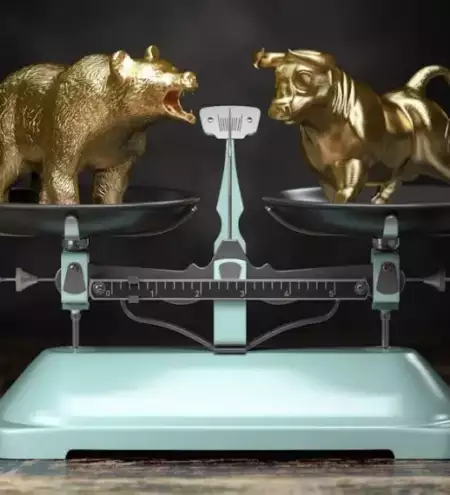
Gold has staged a modest recovery after suffering a sharp selloff that pushed prices to their lowest levels in more than a year. However, rising inflation concerns, a stronger US dollar and growing expectations of higher interest rates continue to weigh on the precious metal.
Gold prices recovered slightly on Friday, 13 November, after a turbulent week that saw bullion fall below the psychologically important US$4,000 per ounce level.
Spot gold rose by as much as 0.6% during early trading before giving back some of its gains, trading just below US$3,890 per ounce, equivalent to approximately A$5,700 per ounce at the reported exchange rate.
Despite the modest recovery, gold remains on course for a weekly decline of approximately 4.3%, its largest weekly loss since June.
What Is Driving Gold Lower?
The recent weakness in gold has largely been driven by renewed concerns about inflation in the United States and expectations that the Federal Reserve may need to raise interest rates again.
US inflation figures released earlier in the week came in higher than expected, raising concerns that the Federal Reserve’s battle against inflation is far from over.
Higher interest rates generally put pressure on gold because the metal does not pay interest, making interest bearing investments such as government bonds relatively more attractive.
At the same time, rising US Treasury yields and a stronger US dollar have added further pressure to gold prices.
On Thursday, gold suffered another significant decline, reaching its lowest level in more than a year.
However, Friday brought some relief. US wholesale inflation rose by 0.3%, slightly below market expectations, helping ease some concerns about the inflation outlook.
Central Banks May Be Buying the Dip
Interestingly, not everyone sees the recent decline as a reason to abandon gold.
Some market analysts believe central bank buying may be helping support prices as bullion falls below US$4,000 per ounce.
Rajeev De Mello, global macro portfolio manager at GAMA Asset Management, suggested that Friday’s recovery could be explained by reserve managers stepping into the market following the sharp decline.
This is an important development. Central banks around the world have been increasing their gold reserves as they look to diversify away from traditional reserve currencies and reduce their reliance on the US dollar.
Long term central bank demand has been one of the important underlying supports for the gold market.
Is Gold Becoming Undervalued?
Despite the recent selloff, some analysts believe gold may have fallen further than its underlying fundamentals justify.
Nitesh Shah, commodity strategist at WisdomTree, has described gold as undervalued at current levels, identifying support around US$3,850 per ounce.
Gold has retreated substantially from its January record high of almost US$5,600 per ounce, representing a decline of more than 30% from that peak.
For investors who have watched gold climb to record levels, the correction has been significant. However, it is important to remember that short term price movements do not necessarily change the longer term reasons people hold physical gold.
A Correction or a Buying Opportunity?
At FirstGold, we believe it is important to look beyond the daily headlines and understand why people own physical precious metals in the first place.
Gold has been recognised as a store of value for thousands of years. It has survived financial crises, currency collapses, wars and changing monetary systems.
Today’s market is influenced by interest rates, inflation figures, government debt, currency movements and investor sentiment. These factors can create considerable short term volatility.
But the fundamental question remains: what happens to the purchasing power of paper currencies as governments continue to accumulate debt and the cost of living rises?
For people accumulating physical gold, a falling market can provide an opportunity to purchase additional metal at lower prices. Rather than attempting to predict the exact market bottom, a regular purchasing strategy known as cost averaging allows buyers to spread their purchases over time.
When prices fall, the same amount of money buys more gold. When prices rise, previous purchases may benefit from the higher market value.
Nobody knows exactly where the gold price will be next week, next month or next year. What we do know is that gold remains a finite physical asset, while governments can continue expanding their money supply and borrowing.
At FirstGold, our philosophy remains simple: accumulate physical gold over time, take advantage of market opportunities and build wealth one gram at a time.
COST AVERAGE TODAY. BUILD YOUR PHYSICAL GOLD HOLDINGS FOR TOMORROW.
FirstGold provides access to physical precious metals. This article is general market commentary only and does not constitute financial or investment advice.