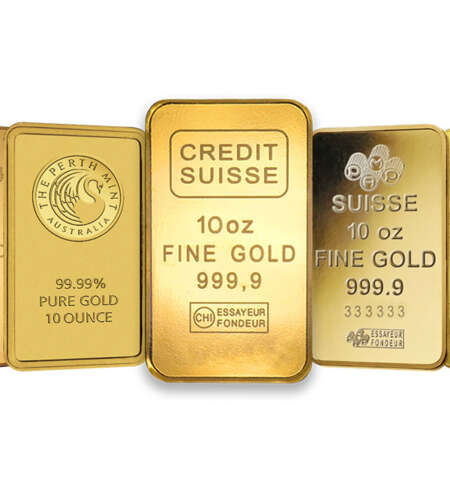
Gold’s recent retreat from its record high has sparked debate among investors and analysts about whether the world’s most trusted safe-haven asset is running out of steam — or simply pausing before its next leg higher.
Over the past 50 years, gold’s history has shown a familiar pattern: after major rallies, the market often experiences extended periods of sideways or weaker trading. However, the current rally — which began in October 2022 — may still have room to run, particularly given the structural shifts in global financial markets.
A Rally with Historical Context
The current gold rally began when the spot price was around US$1,617 an ounce, gradually gaining momentum before accelerating sharply in late 2024, following the re-election of Donald Trump. On 20 October 2025, gold reached an all-time high of US$4,381.21 an ounce, representing a remarkable 170% gain in just three years.
Since then, prices have eased slightly, closing Wednesday’s trade at US$3,978.63 an ounce. While impressive, this performance still trails the historic surges of the 1976–1980 bull market (+518%) and the 2001–2011 rally (+643%).
Even when those powerful rallies ended, subsequent corrections didn’t erase their long-term gains. From its 1980 peak of US$692, gold fell about 63% to US$256 by 2001. The 2011 peak of US$1,902 was followed by a 44% correction to US$1,052 in 2015 — before rebounding to new highs.
What Does History Tell Us About the Current Trend?
From a historical standpoint, the current uptrend isn’t unusually large, despite the high dollar value. That suggests the rally may still have further to go before reaching its true peak — though predicting timing remains notoriously difficult.
When gold bull runs do end, the metal typically enters a long consolidation phase, where prices drift sideways for years. Analysts warn that pinpointing those turning points is extremely challenging — and today’s market is no exception.
Diverging Forecasts: Bulls vs Bears
Forecasts for gold’s next move are widely split. Some analysts expect a pullback towards US$3,000 per ounce, while others foresee a surge beyond US$5,000 within the next two years.
The bullish case rests on structural demand drivers, led by central bank accumulation and investor diversification away from US assets like Treasuries and equities. The World Gold Council’s September quarter report revealed that:
-
Central banks purchased a net 220 metric tons of gold in Q3 2025 — up 28% from the previous quarter.
-
Annual central bank buying has exceeded 1,000 tons since 2022 and remains on track for a fourth consecutive record year.
-
Investment demand (bars, coins, and ETFs) surged 47% year-on-year, reaching 220 tons in Q3 2025.
The one weak spot was jewellery demand, which declined 19% as higher prices deterred retail buyers.
Risks to Watch
While the macro outlook remains supportive, several risks could test gold’s resilience:
-
A correction in global equity markets may prompt investors to liquidate gold holdings to cover losses elsewhere.
-
The US fiscal deficit continues to expand, raising fears over long-term dollar stability.
-
Growing concerns about political interference in the Federal Reserve — particularly under Trump’s renewed administration — could further fuel safe-haven demand.
Outlook
Despite the pullback from record highs, gold remains firmly on investors’ radar. The combination of central bank demand, geopolitical uncertainty, and monetary policy risk continues to provide a strong foundation for the metal’s long-term appeal.
Whether the next major move is a consolidation or a continuation of the rally, gold’s proven resilience over decades confirms its place as a core asset for portfolio diversification and wealth preservation.
Disclaimer:
The information provided in this article by FirstGold News is for educational and informational purposes only and should not be considered financial or investment advice. While every effort has been made to ensure the accuracy of the data presented, gold and other precious metal prices are subject to market volatility and may fluctuate significantly. Readers are encouraged to conduct their own research or seek advice from a qualified financial adviser before making any investment decisions. FirstGold does not accept any liability for losses or damages arising from reliance on the information provided herein.