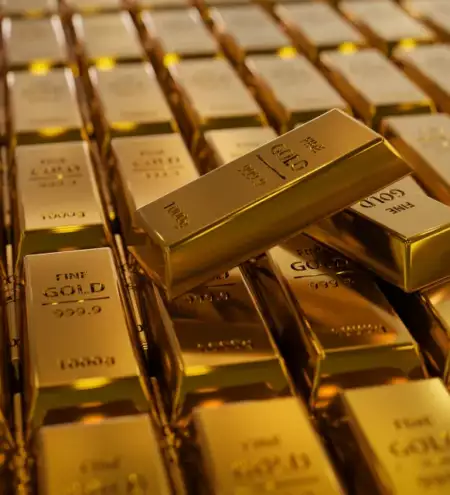
Central banks around the world are accelerating gold purchases at a scale not seen for more than half a century. This new era of strategic accumulation reflects a major shift in global monetary thinking, where gold is increasingly viewed as a safeguard against economic instability, currency volatility, and geopolitical risk.
Why Are Central Banks Buying Gold at Record Levels?
Monetary Independence and Reserve Diversification
Gold is regaining prominence as central banks seek greater monetary sovereignty and reduced exposure to single-currency dependencies. Analysts argue that gold is now perceived as the most reliable reserve asset—free from the political pressures, counterparty risks, or systemic vulnerabilities that come with foreign government bonds or fiat reserves.
Unlike digital or paper-based financial instruments, gold is a non-counterparty asset. When held domestically, it cannot be frozen, seized, or manipulated by external governments. For central banks concerned about long-term stability, this independence is becoming increasingly valuable.
Protection Against Inflation and Currency Debasement
Gold’s reputation as a long-term store of value is a major driver behind these purchases. As many central banks confront rising inflation, expanding public debt, and the possibility of renewed quantitative easing, gold offers an inflation hedge that fiat currencies often cannot match.
The end of quantitative tightening in the United States and expectations of renewed liquidity measures have strengthened the institutional case for increasing exposure to hard assets.
Geopolitical Risk and Sanction Protection
Recent global conflicts and financial sanctions have demonstrated that paper reserves held abroad can be blocked with the press of a button. Gold, held in a nation’s own vaults, cannot be sanctioned, seized, or defaulted upon. This has led many emerging markets to secure physical gold at home to guarantee financial safety in uncertain times.
How Much Gold Are Central Banks Buying?
Central bank demand has surged dramatically, reaching levels unseen since the 1960s. According to World Gold Council data, recent purchases are as follows:
| Year | Purchases (Tonnes) | Estimated Value | Notable Buyers |
|---|---|---|---|
| 2022 | 1,136 | $70B+ | China, Turkey, India |
| 2023 | 1,000+ | $65B+ | Poland, Singapore, Czech Republic |
| 2024 | 1,000+ | $75B+ | Kazakhstan, Azerbaijan, Russia |
Unlike short-term investors reacting to market spikes, central banks typically buy persistently, regardless of price. This creates a structural floor in the gold market, helping underpin prices even during periods of volatility.
Where Is This Demand Coming From?
China
China is one of the most influential buyers in recent years. Although its official gold holdings of 2,140–2,200 tonnes only account for about 2–3% of its total reserves, this percentage is still far below Western standards.
With the US and major European nations holding 50–70% of reserves in gold, analysts suggest China has significant room to increase its allocation. Even a move to 10–15% would require years of global gold production, signalling the potential scale of future demand.
Eastern Europe
Poland, the Czech Republic, and Hungary are rapidly expanding gold reserves in response to security concerns and a desire for greater financial autonomy within the NATO and EU framework. Poland alone has acquired more than 67 tonnes in recent periods.
Central Asia and the Middle East
Kazakhstan, Azerbaijan, Turkey, and others are using resource revenues to diversify reserves away from the US dollar, adopting gold as a long-term monetary anchor.
Taken together, this represents not isolated national decisions but a coordinated move among emerging markets to reduce vulnerability to foreign fiscal and geopolitical pressures.
How Is This Changing the Global Financial System?
The Slow Decline of the Dollar’s Reserve Dominance
IMF data shows a gradual transition underway:
-
US dollar share of global reserves:
65% (2010) → 59% (2024) -
Gold share of official reserves:
10% (2010) → 12% (2024)
While the dollar remains dominant, central banks are clearly diversifying into gold and other assets to reduce overexposure to a single currency system.
A More Multipolar Monetary Landscape
Analysts now expect the future global reserve structure to include:
-
More regional reserve currencies
-
Gold playing a greater role in international settlement
-
Increased use of IMF Special Drawing Rights
-
Rising bilateral trade arrangements bypassing traditional systems
A Different Type of Price Support
Central banks do not buy based on price charts, short-term yield expectations, or speculative cycles. Their purchasing is:
-
Non-price responsive
-
Driven by long-term policy
-
Based on strategic reserve stability
This creates a market where structural demand can remain strong even when investors reduce exposure, helping explain gold’s impressive performance.
How Current Prices Reflect Institutional Demand
In 2025, gold has continued to display exceptional strength:
-
Gold: trading above US$4,000/oz
-
Silver: breaking above US$51/oz, exceeding the historical highs of 1980
Gold prices have climbed approximately 42% year-to-date, making 2025 the strongest market since the high-inflation era of the 1970s.
The difference between speculative assets and institutional assets has also been highlighted:
-
Precious metals have maintained upward momentum
-
Bitcoin, by contrast, dropped from above 126,000 to below 91,000 – a 40% drawdown
Even large financial institutions are adjusting. Major investment banks, including Morgan Stanley, have advised clients to reduce bond exposure and increase gold allocations—something historically rare among mainstream financial advisors.
Is This a Temporary Trend or a Long-Term Shift?
Most evidence points to a long-term structural transformation. Current allocation disparities show why:
| Category | Typical Gold Allocation |
|---|---|
| US, Germany, Italy, France | 50–70% |
| China | 2–3% |
| India | 5–6% |
| Brazil | 1.5–2% |
If major emerging economies merely moved to 30% allocations, it would require many years’ worth of global gold supply, reinforcing sustained demand.
Technological Developments
Central banks are also exploring:
-
Digital gold settlement systems
-
Blockchain-based custody and tracking
-
Modernised interbank gold transfer platforms
These innovations could make gold even more practical as a 21st-century reserve asset.
A New Monetary Era
The current wave of central bank gold buying is not a short-term tactical hedge—it reflects a reassessment of the foundations of global reserve management.
Key motivations include:
-
Protection from inflation
-
Reduced reliance on single fiat currencies
-
Defence against sanctions
-
Concerns about rising sovereign debt
-
Shifting global trade settlement trends
-
Desire for more resilient and independent financial systems
Gold is once again returning to the centre of global monetary architecture—this time not by decree, but by the collective actions of the world’s most influential financial institutions.