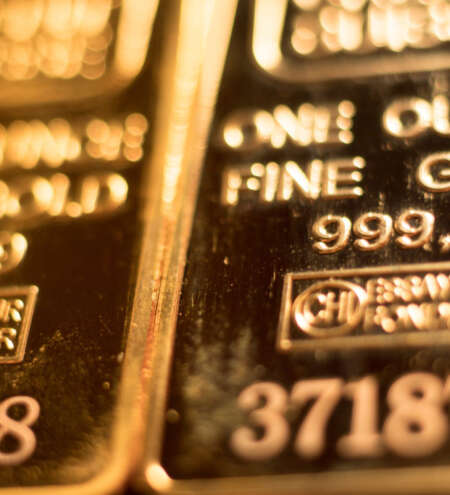
Gold continues to demonstrate exceptional strength in 2026, holding firmly above the US$5,200 level and extending its powerful upward trend. On 27 February, bullion traded at US$5,247.90 — a 1.03% daily gain — highlighting persistent investor demand amid rising geopolitical uncertainty.
The Immediate Impact: Gold Breaks US$5,300
Tensions involving the United States, Israel and Iran have triggered a historic rally in precious metals. Following coordinated US and Israeli strikes on Iranian targets on 28 February 2026, gold futures surged more than 2% in a single session, propelling spot prices beyond US$5,300 per ounce for the first time in history.
This was not merely a technical breakout — it was a decisive flight to safety. Whenever direct military conflict involves the world’s largest economy and a major oil-producing nation, global capital seeks protection. Gold, as history consistently proves, remains the ultimate safe-haven asset.
How War Impacts Gold Prices
Historical data reinforces gold’s resilience during periods of armed conflict. On average, gold gains approximately 0.30% in the first week of war and nearly 9% over a 12-month period following major geopolitical escalations. In 2026, however, price action has been even more dramatic.
Year-to-date, gold has surged approximately 22%, significantly outperforming most traditional asset classes. Even before the latest Middle East escalation, investors were positioning for inflation persistence, sovereign debt concerns, and ongoing currency debasement risks. The US-Iran conflict has simply accelerated an already powerful bullish trend.
Gold Price Prediction 2026: USD $6,300 in Sight?
With spot gold now comfortably trading above US$5,200 and having breached US$5,300, analysts are revising forecasts higher. Several market strategists suggest that if hostilities intensify or broaden across the region, price targets between US$5,500 and US$6,000 could be achieved in the near term — with US$6,300 emerging as a credible upside scenario for 2026.
Key drivers supporting higher prices include:
-
Escalating geopolitical instability
-
Strong central bank accumulation
-
Inflation hedging demand
-
Currency weakness concerns
-
Increased retail and institutional allocation
Portfolio Strategy in a Volatile World
The implications extend beyond price speculation. Gold has once again proven its role as a core portfolio stabiliser. Financial advisers typically recommend allocating 5–15% of a portfolio to precious metals. However, amid heightened geopolitical risk and systemic uncertainty, many strategists are advocating for increased exposure.
In an environment marked by military escalation, supply chain risks, and volatile equity markets, gold is not merely a trade — it is insurance.
For investors navigating 2026’s geopolitical landscape, the message is clear: gold’s breakout above US$5,300 may not be the peak, but rather the foundation for its next leg higher toward US$6,300.
As uncertainty rises, so too does gold’s strategic importance.
Disclaimer: The information contained in this article is provided for general informational and educational purposes only and does not constitute financial, investment, legal, or tax advice. FirstGold does not provide personal financial advice, and readers should not rely on this content as a substitute for professional guidance tailored to their individual circumstances.