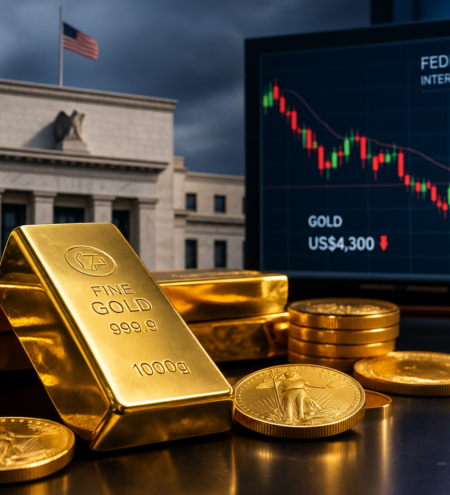
China’s central bank has extended its gold purchasing programme for a nineteenth consecutive month, reinforcing its position as one of the world’s most significant official buyers of bullion despite recent weakness in gold prices.
According to data released by the People’s Bank of China (PBOC), the nation’s gold reserves increased by approximately 320,000 troy ounces, or around 9.9 tonnes, during May. The latest addition takes China’s official gold holdings to an estimated 2,322 tonnes, marking the longest continuous buying streak since the central bank began publishing regular reserve updates in 2015.
The continued accumulation comes at a time when gold prices have experienced a modest correction. Following record highs reached earlier this year, bullion posted its third consecutive monthly decline in May as investors weighed persistent inflation concerns, elevated interest rates, and a stronger US dollar. Despite these headwinds, China’s commitment to expanding its gold reserves remains unchanged.
Gold now accounts for approximately 9% of China’s total foreign exchange reserves, a figure that continues to rise as Beijing seeks to reduce its reliance on traditional reserve assets and diversify its holdings amid an increasingly uncertain geopolitical landscape.
The World Gold Council reported that China’s net gold imports reached 316 tonnes during the first quarter of the year, more than triple the level recorded during the same period a year earlier. The increase highlights robust institutional and investment demand, even as retail jewellery consumption entered its traditional seasonal slowdown. Shanghai Gold Exchange withdrawals have softened in recent months, reflecting weaker jewellery demand rather than any reduction in broader investment interest.
Analysts continue to view central bank purchases as one of the strongest pillars supporting the global gold market. Sovereign buyers have emerged as major contributors to demand over the past several years, purchasing gold at record levels as nations seek greater protection against geopolitical risks, sanctions exposure, currency volatility, and long term inflation pressures.
Goldman Sachs recently suggested that central bank buying could accelerate further as global political tensions encourage reserve diversification. The investment bank maintained its year end gold price forecast of US$5,400 per ounce, citing continued official sector demand as a key driver of the bullish outlook.
China’s ongoing purchases also reinforce a broader trend that has reshaped the gold market since 2022. Central banks worldwide have become net buyers of bullion at historically high levels, helping offset periods of weaker investment demand and providing a structural floor beneath prices.
While short term fluctuations in gold prices remain influenced by interest rate expectations and currency movements, the steady accumulation of gold by China and other sovereign buyers suggests that official demand is becoming an increasingly important factor in the long term outlook for precious metals.
As global economic uncertainty persists and geopolitical tensions remain elevated, China’s nineteenth consecutive month of gold purchases sends a clear signal that the world’s second largest economy continues to view gold as a critical strategic reserve asset for the future.