Precious Metals Pull Back After Historic Rally
Gold and silver prices have entered a sharp correction, falling to their lowest levels in seven months as markets reassess the outlook for interest rates, the US dollar and global economic conditions.
Gold dropped below the $4,000 per ounce level for the first time since November, while silver moved below $60 per ounce as investors reacted to a stronger US dollar and growing expectations that the Federal Reserve may keep monetary policy tighter for longer.
At the latest market levels, gold traded around $3,988 per ounce, while silver fell towards $58.50 per ounce. The move represents a significant short term reversal, with silver declining approximately 16% over the past week and gold falling around 8%.
The Dollar and Interest Rates Drive the Selloff
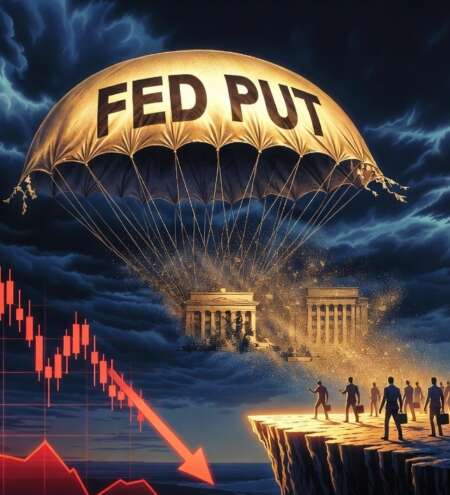
The main pressure on precious metals has come from a rising US dollar and changing expectations around Federal Reserve policy.
The US Dollar Index has climbed above 100, reaching its strongest level in more than a year, making gold and silver more expensive for holders of other currencies.
Precious metals do not generate income, meaning rising interest rates and higher bond yields can reduce investor demand as capital moves towards yield producing assets.
As Philippe Gijsels, chief strategy officer at BNP Paribas Fortis, explained:
“When interest rates rise, gravity increases and all assets are pulled down, including precious metals.”
Markets are now watching closely for signals from the Federal Reserve, with some officials indicating support for potential rate increases if inflation remains persistent.
From Record Highs to Rapid Correction
The current decline follows an extraordinary rally that pushed precious metals to historic highs.
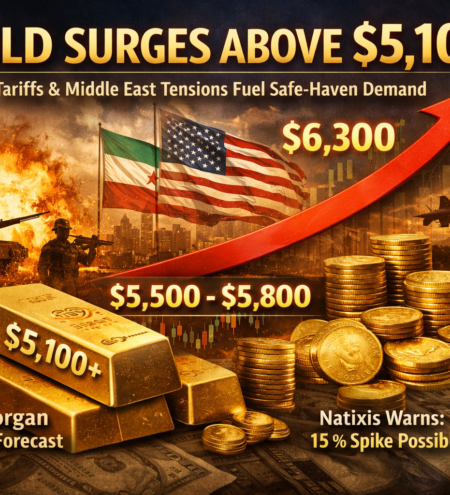
Gold reached approximately $5,600 per ounce, while silver surged towards $121 per ounce during the January peak.
The rally was driven by a combination of factors:
• Expectations of lower interest rates
• Geopolitical uncertainty
• Global demand for physical metals
• Central bank accumulation
• Increased industrial demand for silver
However, sentiment shifted after expectations changed around future Federal Reserve policy. Instead of focusing on monetary easing, markets began pricing in the possibility of higher rates.
Silver Faces Short Term Pressure Despite Long Term Supply Issues
Silver has experienced a larger decline than gold due to its dual role as both a monetary asset and an industrial metal.
Concerns around global growth, technology demand and slowing solar panel demand have weighed on prices.
However, the underlying silver market remains structurally tight.
Silver continues to face:
• Limited new mine supply
• Growing industrial demand
• Electrification demand
• Solar energy consumption
• Persistent market deficits
While some manufacturers are reducing the amount of silver used per solar panel through efficiency improvements, long term demand trends remain supportive.
Central Banks Continue Building Gold Reserves
Despite the recent price correction, the long term fundamentals supporting gold remain intact.
Central banks around the world continue to diversify reserves away from traditional fiat currencies and increase gold holdings.
This trend highlights a major shift in global financial strategy, with many countries viewing physical gold as a strategic reserve asset.
The correction has not changed the broader factors supporting gold:
• Rising global debt levels
• Currency concerns
• Geopolitical uncertainty
• Central bank accumulation
• Investor demand for tangible assets
Volatility Before the Next Move
Analysts expect precious metals to remain volatile as markets balance two opposing forces.
Short term pressure is coming from:
• Higher interest rate expectations
• Stronger US dollar
• Rising bond yields
• Reduced investor momentum
However, longer term support remains from:
• Physical demand
• Limited supply growth
• Central bank buying
• Global monetary uncertainty
Gold and silver markets have historically experienced significant corrections even during major bull markets. The current pullback represents a test of investor confidence following one of the strongest rallies in modern precious metals history.
For long term investors, the key question remains whether this is the end of the cycle, or simply a correction within a broader structural move driven by currency expansion, debt and the search for real assets.
FirstGold Market View
The precious metals market is currently caught between two powerful forces: the immediate impact of tighter monetary policy and the longer term reality of increasing global debt and currency dilution.
Short term price movements may continue to be driven by Federal Reserve expectations, but the underlying reasons investors own gold and silver remain unchanged.
Physical metal continues to represent a form of financial insurance in an increasingly uncertain monetary environment.
Disclaimer: This article is for informational purposes only and does not constitute financial advice. Precious metals prices can be volatile, and investors should conduct their own research before making investment decisions.