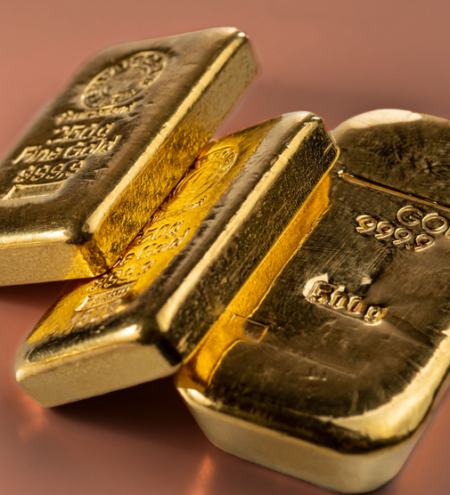
Gold prices have dominated headlines in 2025, repeatedly smashing through record highs above $4,000 per ounce as investors seek safety amid global uncertainty. The precious metal remains up more than 50% for the year—its strongest annual performance since 1979—despite a brief pullback from an all-time peak of $4,381 per ounce last week. At present, gold trades around $4,060, consolidating after a remarkable surge that has far outpaced equities and most commodities.
Gold’s Record Run
Throughout October, gold experienced a historic rally, driven by a perfect mix of safe-haven buying, central bank demand, and expectations of lower interest rates. The metal crossed $4,000 for the first time ever, climbing nearly 60% year-to-date at its height. However, after a parabolic rise, a sharp 6% correction occurred on 21 October—its steepest single-day drop in over a decade—as investors took profits. Even so, gold remains on track to post its best year in nearly half a century.
What’s Driving the Surge
Several powerful forces have combined to propel gold’s extraordinary performance this year:
Federal Reserve Policy: With inflation cooling and growth slowing, the U.S. Federal Reserve has shifted from raising to cutting rates. Lower interest rates make gold—an asset that doesn’t yield interest—more attractive, while a softer U.S. dollar further supports prices.
Geopolitical Turmoil: Wars, trade tensions, and political instability have all driven safe-haven demand. Ongoing conflicts, a recent U.S. government shutdown, and persistent uncertainty have pushed investors towards gold as protection against risk.
Central Bank Buying: Central banks have been major players, accumulating gold at record levels. Many, including China and India, continue to diversify away from the U.S. dollar, reinforcing demand and providing a solid price floor.
Investor Inflows: Gold-backed ETFs have seen unprecedented inflows this year, as institutional and retail investors alike flock to the metal for security. Total assets in gold ETFs have hit record highs, reflecting growing recognition of gold as a core holding rather than just a speculative play.
Currency and Debt Concerns: The weakening U.S. dollar and rising global debt have also bolstered gold’s appeal as a hedge against inflation and currency debasement. Investors increasingly view gold as an alternative store of value amid financial uncertainty.
Market Sentiment and Expert Views
Despite recent volatility, analysts largely remain positive on gold’s outlook. While some suggest the rally has run ahead of itself, many major banks now forecast prices approaching $5,000 per ounce by 2026. The consensus view is that any short-term dips will likely be met with strong buying from both institutional and retail investors.
Market watchers note that each correction has so far attracted fresh demand, with buyers quick to enter around the $4,000 level. The combination of persistent geopolitical risk, central bank accumulation, and looser monetary policy continues to create a favourable backdrop for gold.
Impact on Gold Stocks and ETFs
The rally has also powered significant gains in gold-related equities and funds. Mining companies such as Newmont and Barrick have seen their share prices double this year, while gold ETFs have surged in value. The recent correction caused temporary losses, but overall sector performance remains exceptionally strong, reflecting continued optimism in the broader gold market.
Looking Ahead
The coming months could prove pivotal. Key factors to watch include further rate decisions by the Federal Reserve, developments in U.S.–China trade negotiations, and ongoing geopolitical events. If uncertainty persists—or inflation reaccelerates—gold may well continue its upward march.
For now, gold’s price near $4,000 marks a new era in the market. The precious metal’s enduring strength underscores its role as the ultimate safe-haven asset in turbulent times. Whether 2026 sees gold break $5,000 remains to be seen, but one thing is clear: gold’s shine in 2025 has been nothing short of historic.
Disclaimer: The information provided in this article is for general informational purposes only and should not be considered financial or investment advice. Gold prices are subject to market volatility, and past performance is not indicative of future results. Readers are encouraged to seek independent professional advice before making any investment decisions. The GoldCompany and its affiliates make no guarantees regarding the accuracy, completeness, or timeliness of the information contained herein.