Gold (XAU) surged sharply towards the $4,800 level following the announcement of a ceasefire, as markets initially moved into safe-haven assets. However, the rally proved short-lived. Renewed geopolitical tensions quickly resurfaced, fuelling uncertainty and triggering a pullback toward $4,700.
This price action reflects a shift from a knee-jerk reaction to headline news, back to a broader macro-driven environment. Rising oil prices, persistent inflationary pressures, and tightening financial conditions are now reasserting themselves as the dominant forces influencing gold. In this context, gold appears set to remain highly reactive, trading within a defined range as markets digest ongoing developments.
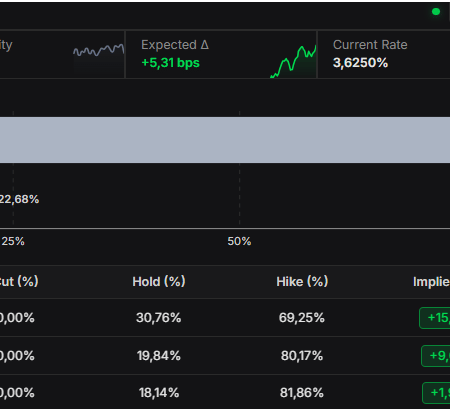
From a macro perspective, elevated energy prices continue to underpin inflation expectations, reinforcing gold’s role as a hedge. At the same time, tighter monetary conditions and uncertain global growth create competing pressures, limiting sustained upside momentum.
Technically, the recent rejection near $4,800 highlights a key resistance level, while support around $4,700 is emerging as a critical near-term floor. A sustained break above resistance could open the path toward new highs, while a failure to hold support may invite further consolidation.
Market commentary remains divided. According to recent analysis, JPMorgan has raised concerns about the sustainability of the current gold rally, suggesting that recent gains may be difficult to maintain under tightening conditions. In contrast, ANZ maintains a more constructive outlook, projecting further upside potential within the current quarter.
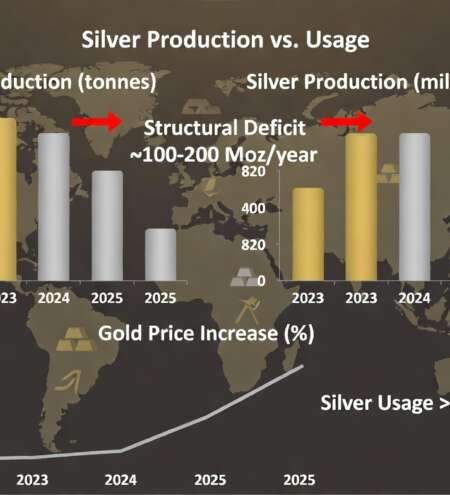
Elsewhere, Franklin Templeton has pointed to potential opportunities in mining equities, even as volatility persists in both gold and silver markets. Heraeus has highlighted that uncertainty surrounding U.S. employment data is complicating price forecasts, while also noting that elevated silver prices are beginning to attract additional supply. Meanwhile, HSBC expects pronounced price swings to remain a defining feature of the gold market in the year ahead.
Overall, gold remains caught between competing macro forces and geopolitical uncertainty. As a result, volatility is likely to persist, with price direction increasingly dependent on incoming economic data, central bank signals, and developments in global conflict zones.