Gold has long been viewed as the ultimate safe haven during periods of economic instability, inflation, and geopolitical uncertainty. As financial markets become increasingly volatile and governments continue expanding debt and monetary stimulus, investors are once again turning to physical precious metals for protection.
In 2025 alone, gold surged more than 64%, driven by global conflict, inflation concerns, aggressive central bank buying, and growing distrust in fiat currencies. The ongoing tensions in the Middle East, rising oil prices, economic weakness across Europe, and political instability in South America have all contributed to renewed demand for gold and silver.
Now the question dominating financial markets is whether gold could realistically push toward $6,000 sooner than expected.
What Is Driving Gold Higher?
Several major forces continue to support the long term bullish outlook for gold.
Inflation And Currency Devaluation
Inflation remains one of the strongest drivers behind higher gold prices. As governments print more money and expand spending, the purchasing power of currencies declines. Investors often move into hard assets like gold because supply is limited and cannot simply be created by central banks.
Over the past decade, rising inflation has steadily pushed gold prices higher as investors seek protection from declining currency value.
Gold is increasingly being viewed not merely as a commodity, but as a form of monetary insurance against government mismanagement and debt expansion.
Geopolitical Tensions Continue To Escalate
Wars, sanctions, trade disputes, and political instability traditionally push investors toward safe haven assets. The conflict involving Iran has reignited fears surrounding global oil supply disruptions, while tensions between major powers continue to weigh heavily on financial markets.
At the same time, growing fractures in global trade relationships and weakening confidence in Western economies are accelerating the movement into physical gold reserves by both investors and central banks.
Central Banks Are Buying Gold At Record Levels
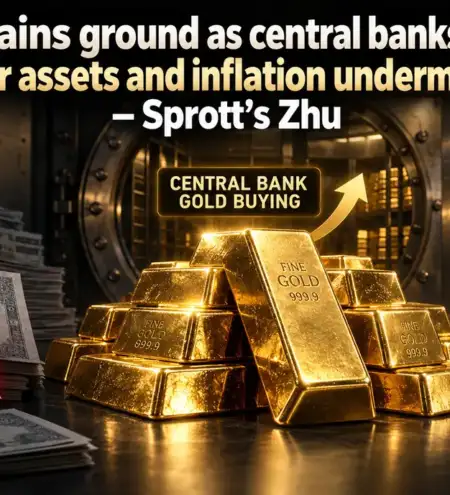
One of the most important trends supporting gold is the aggressive accumulation by central banks worldwide. Countries are increasingly reducing exposure to the US dollar and building strategic gold reserves instead.
This shift reflects growing concerns about sovereign debt levels, financial sanctions, and long term currency stability.
Many analysts believe this institutional demand could become one of the biggest catalysts for future gold price growth.
Could Gold Reach $6,000?
What once sounded unrealistic is now being openly discussed by major financial institutions.
Analysts at JPMorgan Chase have projected gold could move toward $6,300 during 2026 if current economic and geopolitical conditions continue deteriorating.
A move toward $6,000 would likely require a combination of:
• Continued inflationary pressures
• Further currency debasement
• Escalating geopolitical tensions
• Additional central bank accumulation
• Falling confidence in government debt markets
If these trends accelerate simultaneously, many analysts believe gold could enter a powerful new phase of its long term bull market.
Physical Gold Demand Is Growing
Retail demand for physical gold continues to rise globally. Investors are increasingly purchasing:
• Gold bullion
• Gold coins
• Physical bars
• Allocated precious metal holdings
Unlike paper investments, physical gold carries no counterparty risk and remains outside the banking system.
As economic uncertainty deepens, more investors are seeking direct ownership of tangible assets rather than relying solely on financial institutions or digital products.
Expect Increased Volatility
While the long term outlook for gold remains strong, investors should also prepare for sharp price swings.
Recent market movements have demonstrated how quickly gold can rise or fall in response to interest rate expectations, geopolitical headlines, or shifts in currency markets.
Large corrections inside major bull markets are normal, particularly after rapid price advances.
However, many long term investors view these pullbacks as buying opportunities rather than signs of weakness.
Gold Versus Fiat Currency
The broader story behind gold’s rise is not simply about commodity demand. It reflects growing concern about the sustainability of the global financial system itself.
Governments worldwide continue running enormous deficits while central banks remain trapped between inflation and recession risks. As debt levels rise and confidence in paper currencies weakens, gold increasingly acts as a store of wealth outside political control.
This is one reason why many analysts now believe the next decade could see significantly higher precious metal prices than most investors currently expect.
Could Gold Reach $10,000 By 2030?
Some long term forecasts suggest gold could eventually trade between $7,000 and $10,000 by 2030 if inflation remains elevated and currencies continue losing purchasing power.
While such targets may appear extreme today, gold’s historical performance during major monetary crises shows that large repricing events can happen rapidly once confidence in financial systems deteriorates.
For many investors, the real question is no longer whether gold belongs in a portfolio, but whether they own enough before the next major financial shift occurs.
Disclaimer: The information contained in this article is for general informational purposes only and does not constitute financial, investment, legal, or taxation advice. Views expressed are based on market commentary, public information, and analyst opinions at the time of publication and may change without notice. Precious metals markets can be highly volatile, and past performance is not indicative of future results.