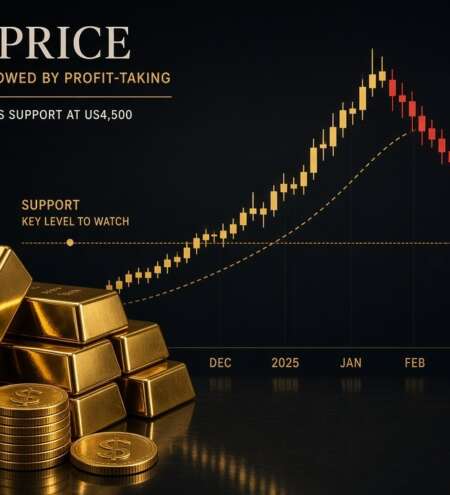
Gold prices are once again pressing against key resistance near $4,800, supported by a softer U.S. dollar and cooling inflation data. However, despite the constructive backdrop, analysts warn that the market remains in a fragile consolidation phase.
Weaker Dollar Provides Tailwind
The U.S. dollar has come under renewed pressure, with the dollar index slipping to a six-week low as market sentiment improves. According to analysts, easing geopolitical tensions—particularly around U.S.-Iran relations—are reducing demand for the greenback as a safe-haven asset.
At the same time, softer-than-expected inflation data has reinforced expectations that the Federal Reserve may adopt a more accommodative stance later this year. This shift is typically supportive for gold, which benefits from lower interest rates and a weaker dollar environment.
Inflation Surprise Supports Gold
Recent data from the U.S. Department of Labor showed that Producer Price Index (PPI) rose just 0.5% in March—well below expectations of 1.1%. Core inflation also undershot forecasts, signalling that underlying price pressures may be easing despite elevated energy costs.
This “cooler-than-expected” inflation print has helped stabilise gold near current levels, as markets begin to reassess the likelihood of further rate hikes and instead consider potential rate cuts into year-end.
Consolidation Phase Continues
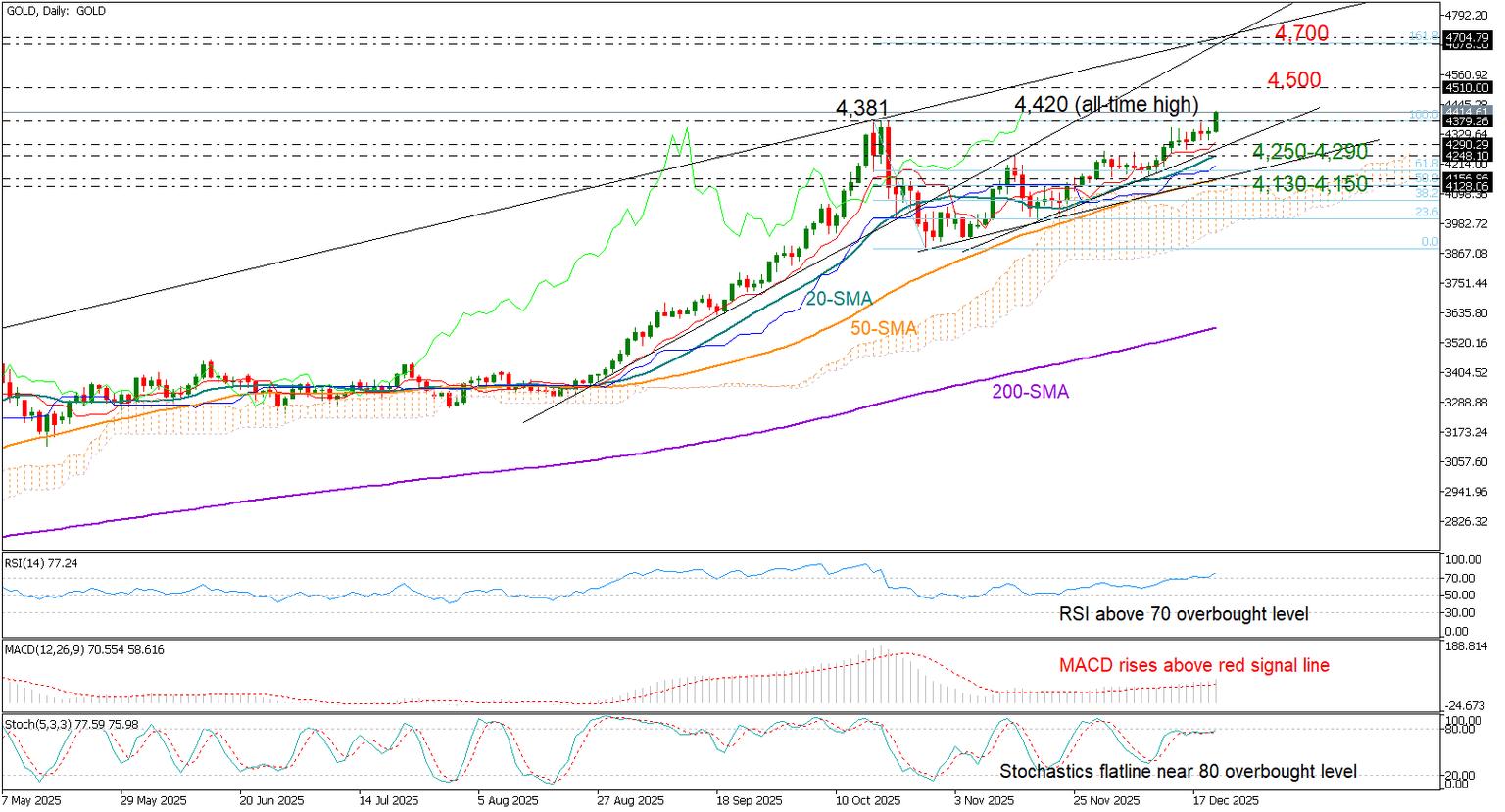
Despite the supportive macro backdrop, gold remains locked in a consolidation range. Analysts note that the metal is caught between competing forces:
Supportive factors: weaker dollar, easing inflation, and lingering geopolitical risk
Headwinds: still-elevated interest rates and uncertainty around monetary policy direction
As a result, a decisive breakout above $4,800 has yet to materialise.
Investor Flows and Market Positioning
Investment demand is beginning to stabilise after March’s heavy outflows. Gold-backed ETFs have recorded modest inflows in April, suggesting that investors are cautiously returning to the market as prices consolidate.
At the same time, the absence of aggressive rate hike expectations is limiting downside risk. As long as markets do not begin pricing in tighter policy from the Federal Reserve, gold is expected to find support on dips.
Commodities Outlook Remains Constructive
Broader commodity markets continue to benefit from supply-side constraints and geopolitical uncertainty, particularly in energy markets. Ongoing risks around the Strait of Hormuz have kept oil prices elevated, reinforcing inflation hedging demand across the commodity complex.
Longer term, analysts maintain a bullish outlook for gold, noting that it serves as a hedge against macroeconomic instability, currency debasement, and rising global debt levels.
Breakout or Pullback?
In the near term, gold’s direction will hinge on three key drivers:
U.S. monetary policy expectations
Developments in Middle East geopolitics
Movements in the U.S. dollar and bond yields
While the broader trend remains positive, volatility is likely to persist. A sustained move above $4,800 could open the path higher, but any resurgence in geopolitical tensions or inflation surprises may quickly shift sentiment.
For now, gold continues to consolidate at elevated levels—supported, but not yet ready to break decisively higher.