The United States has now crossed a historic and alarming milestone: the national debt has exceeded USD $39 trillion. When Donald Trump returned to office, the national debt stood at approximately $36 trillion, meaning that nearly $3 trillion has been added in just 11 months.
Such rapid debt expansion raises fundamental questions about the long-term stability of the US dollar, the future path of inflation, and the performance of safe-haven assets such as gold and silver.
How Massive Debt Expansion Fuels the Money Supply
A growing national debt is not automatically inflationary—what matters is how the debt is financed. When governments fund deficit spending through quantitative easing (QE) or central bank balance-sheet expansion, new money is effectively created.
If the Federal Reserve steps in to absorb more government debt, it increases:
Monetary base
Liquidity in the financial system
Bank reserves
This expansion of the money supply increases the number of dollars chasing the same amount of goods, services, and assets. The result is straightforward economics:
More money in circulation → lower purchasing power of each dollar → upward pressure on prices.
And unlike temporary stimulus spending, rising interest bills mean the US government must borrow more just to repay existing debt, creating a self-expanding cycle of money creation.
The Inflation Outlook – The Hidden Tax on Savers
Even before new rounds of quantitative easing, the US economy faces:
High structural spending
Rising interest costs
Slowing real economic growth
If policymakers rely on monetary expansion to stabilise financial markets or service debt obligations, inflation becomes the path of least political resistance.
Inflation acts as a “stealth tax,” eroding the value of:
Savings
Cash holdings
Fixed-income returns
This environment is historically bullish for tangible, scarce assets.
Why Gold and Silver Stand to Benefit
Precious metals have repeatedly served as monetary safe havens in periods of runaway debt, weakening currency credibility, and inflationary monetary policy.
1. Gold and Silver Are Not Government Liabilities
Unlike bonds or cash, precious metals do not depend on a central bank’s ability to repay its debts.
Their value derives from:
Scarcity
Global acceptance
Limited supply growth
2. A Hedge Against Currency Debasement
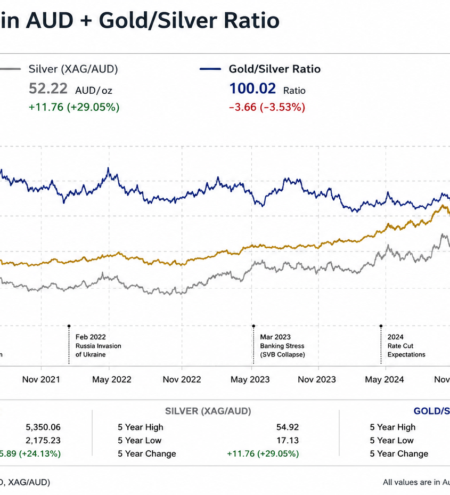
When the purchasing power of the US dollar declines, gold and silver typically reprice higher to compensate. Historically, every major wave of quantitative easing has been accompanied by surging bullion prices.
3. Strong Demand from Central Banks
In recent years, central banks worldwide have increased gold reserves at the fastest rate since the 1960s. The acceleration is seen as a vote of no confidence in:
The long-term strength of fiat currencies
US fiscal direction
The sustainability of debt burdens
Quantitative easing only strengthens this trend.
What Happens Next?
If the US continues on its current fiscal trajectory, three long-term market consequences become highly likely:
Higher inflation or persistent above-target price pressure
A structurally weaker US dollar
A continuation of the bull market in gold and silver
With debt now exceeding $39 trillion and rising faster than economic growth—the US financial system is entering uncharted waters.
For investors concerned about capital preservation and long-term purchasing power, precious metals remain one of the few assets historically proven to weather inflation, debt crises, and currency erosion.